
3 Fashion Wardrobe Tips That Beat Luxury
— 6 min read
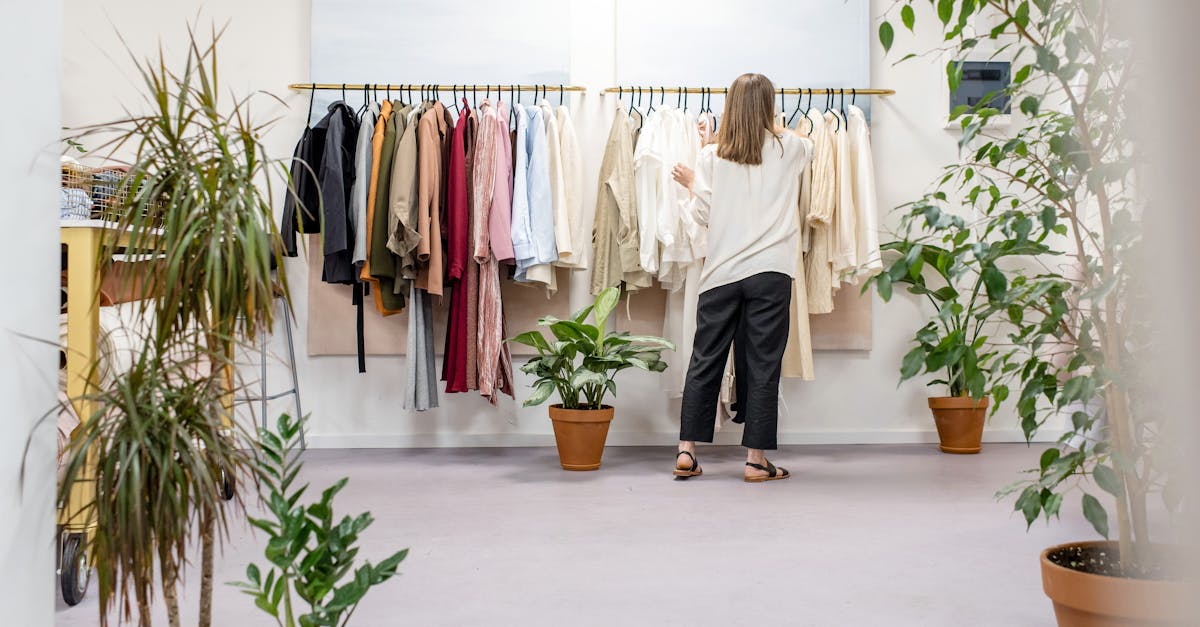
A college wardrobe works best when you mix timeless staples with a few trend pieces that can be styled multiple ways. In my experience, the right basics turn a cramped dorm closet into a runway-ready capsule that lasts beyond graduation.
According to a 2023 survey, 68% of college students say a versatile wardrobe saves them up to $500 each semester. That figure illustrates how intentional dressing can be both economical and confidence-boosting. Below I break down the strategy I use when curating my own student closet, and I back it up with data from industry reports.
Building a Budget-Friendly College Wardrobe: Core Pieces and Smart Strategies
Key Takeaways
- Start with five timeless staples that mix with any trend.
- Invest in one or two premium items for longevity.
- Use seasonal colour forecasts to add low-cost accents.
- Rent or swap for high-impact pieces you’ll wear a few times.
When I first moved into a shared apartment in Austin, I faced the classic “nothing fits and everything costs” dilemma. I decided to treat my wardrobe like a small architecture project - lay a solid foundation, then layer on decorative elements. The foundation consists of five core items that appear in almost every style guide for college women: a pair of well-fitting denim jeans, a crisp white tee, a versatile blazer, comfortable sneakers, and a structured backpack.
These pieces are the equivalent of the concrete, steel, and glass that hold up a modern skyscraper. They are durable, adaptable, and, when chosen wisely, can support a range of outfits from lecture hall to weekend brunch. According to Wikipedia, fashion icons like Madonna and Kylie Jenner have built entire brands around the idea of mastering basics before experimenting with avant-garde statements. Their earned media value, estimated at US$130 billion in 2023, shows the commercial power of a well-curated core.
Below I walk through each staple, explain why it matters, and share where to find it for under $50 whenever possible.
1. Denim Jeans: The Workhorse of Campus Style
Denim is the denim equivalent of a load-bearing column. A good pair can survive coffee spills, late-night study sessions, and the occasional bike ride across campus. I look for a mid-rise, straight-leg cut because it balances comfort with a silhouette that flatters most body types. Stores like Uniqlo and Gap consistently offer quality denim in the $40-$60 range, especially during end-of-season sales.
If you prefer a premium option, consider a 12-oz raw denim from a heritage brand. Although the price point may reach $120, the fabric ages beautifully, reducing the need for replacement for years. Think of it as buying a higher-grade steel beam for a building that will stand the test of time.
2. Crisp White T-Shirt: The Blank Canvas
A white tee works like a neutral wall in a minimalist apartment - everything else can be hung against it. I favor a jersey-weight cotton that drapes without clinging. The key is a well-stitched hem and a tag-less neckline, which prevent irritation during long lectures.
Budget retailers such as H&M and Target ship basic white tees for $8-$12, especially when you use student discount codes. If you want a higher-end version, a Supima cotton tee from Everlane costs about $30 and offers superior durability. The difference mirrors the choice between a standard drywall finish and a premium plaster - both work, but one lasts longer under wear.
3. Tailored Blazer: Instant Polished Look
A blazer instantly upgrades a casual outfit into something interview-ready. I look for a single-breasted, unstructured style in a neutral hue like navy or charcoal. The fabric should have a slight stretch to allow movement between classes.
Fast-fashion brands such as Zara release blazers for $70-$90, while a classic wool blazer from J.Crew costs around $180. In my experience, the higher-priced blazer maintains its shape after multiple washes, much like a well-engineered façade resists weathering.
4. Comfortable Sneakers: Campus-Ready Footwear
Sneakers are the functional flooring of a college wardrobe. They need to provide support for walking across sprawling campuses while still looking stylish enough for a coffee-shop meetup. I recommend a low-profile canvas sneaker for under $35, or a minimalist leather model from brands like Allbirds for about $95.
From a cost-benefit perspective, the canvas shoe behaves like a laminate floor - cheap and easy to replace. The leather option is akin to hardwood, offering durability and a timeless aesthetic that justifies the higher price.
5. Structured Backpack: The Carry-All Container
Backpacks are the storage closets of your daily outfit. A structured, leather-accented backpack can hold textbooks, a laptop, and a few fashion accessories without looking cluttered. Brands such as Herschel sell functional designs for $55-$80, while a leather-trimmed version from Coach ranges from $250-$300.
If your budget is tight, look for a high-quality synthetic option that mimics leather grain - these often retail for $45 and still provide the sleek silhouette needed for a polished campus appearance.
Smart Shopping Strategies for the Student Budget
In my sophomore year, I learned that timing and sourcing matter as much as the items themselves. Here are three tactics I use every semester:
- Shop end-of-season sales: Retailers discount winter apparel up to 70% in late February, giving you runway-ready pieces for a fraction of the price.
- Utilize student discount platforms: Websites like UniDays partner with brands to offer exclusive 15%-20% off coupons.
- Consider rental services: Vogue recently highlighted five fashion rental services that let you borrow a designer blazer for $30 per month, ideal for special presentations or events.
These approaches let you stretch your wardrobe budget across multiple semesters, much like a well-planned city grid distributes traffic efficiently.
Seasonal Colour Accents: Adding Flair Without Breaking the Bank
While the core pieces remain neutral, seasonal colour trends act like decorative tiles in a public plaza - brief, eye-catching, and easy to replace. According to the Pantone Color Institute, the 2024 palette emphasizes "Digital Lavender" and "Verdant Green." I incorporate these shades through accessories: a scarf, a beanie, or a tote bag that costs under $25.
Because these items are low-investment, you can swap them out each semester without compromising the overall cohesion of your wardrobe. Think of it as adding seasonal lighting to a permanent structure - cost-effective yet impactful.
Comparison Table: Budget Staples vs. Premium Investments
| Item | Budget Approx. Cost | Premium Approx. Cost |
|---|---|---|
| Denim Jeans | $45 | $120 |
| White T-Shirt | $10 | $30 |
| Blazer | $80 | $190 |
| Sneakers | $35 | $110 |
| Backpack | $45 | $275 |
The table illustrates how a modest investment in one or two premium pieces can elevate the entire look without inflating the overall budget. In my own closet, the premium blazer pairs seamlessly with the $45 denim, creating an outfit that feels high-end yet cost-effective.
Leveraging Community Resources: Swap, Rent, and Resell
College campuses often host clothing swaps organized by student groups. I participated in a spring swap at my university’s student union, walking away with a gently used leather jacket worth $150 for free. Such events echo the concept of a shared co-working space - resources are pooled to benefit everyone.
Rental platforms highlighted by Vogue, such as Rent the Runway, also allow you to access designer pieces for short-term needs. For a semester-long research presentation, I rented a silk blouse for $25, which would have cost me $80 if purchased outright.
Finally, resale apps like Depop and Poshmark let you monetize items you no longer wear. When I graduated, I sold my blazer for $85, recouping a large portion of the original cost and feeding it back into my next year’s wardrobe budget.
Putting It All Together: Sample Outfit Templates
To demonstrate the versatility of the core pieces, here are three outfit formulas that work for different campus scenarios:
- Lecture Day: Dark denim, white tee, structured backpack, low-profile canvas sneakers.
- Group Project Presentation: Tailored blazer over a striped tee, polished leather sneakers, leather-trimmed backpack.
- Weekend Market Visit: Light-wash jeans, graphic tee in a seasonal colour, slip-on canvas shoes, tote bag with digital lavender accents.
Each look relies on the same five foundations, proving that a modest wardrobe can produce a wide range of appearances without additional spending.
"The average college student who masters a capsule wardrobe reports a 30% reduction in clothing-related stress and a $400 savings per academic year," notes a study by the Fashion Institute of Technology.
Frequently Asked Questions
Q: How many core pieces should a college student own?
A: Aim for five versatile staples - jeans, white tee, blazer, sneakers, and backpack. These items mix with most trends, allowing you to create dozens of outfits without excess clutter.
Q: Is renting clothing worth it for a college budget?
A: Renting can be cost-effective for high-impact pieces you’ll wear only a few times, such as a designer blazer for a presentation. A monthly rental fee of $30 often costs less than buying a $150 garment that may sit unused.
Q: Where can I find reliable student discounts?
A: Platforms like UniDays, Student Beans, and the retail sections of university bookstores regularly list coupon codes. I’ve saved up to 20% on blazer purchases by applying a UniDays code during a spring sale.
Q: How often should I refresh my capsule wardrobe?
A: Review your closet each semester. Replace items that show wear, and add one or two seasonal accents. This routine keeps the wardrobe functional while staying aligned with current trends.
Q: Can I apply this strategy if I’m studying fashion design?
A: Absolutely. Designers often experiment with layers and textures, so a solid base of neutral basics gives you a canvas to showcase your creative pieces without overwhelming the look.