
Compare ProPlatform vs TailoredTrend vs StyleSuite Fashion Wardrobe Website
— 5 min read
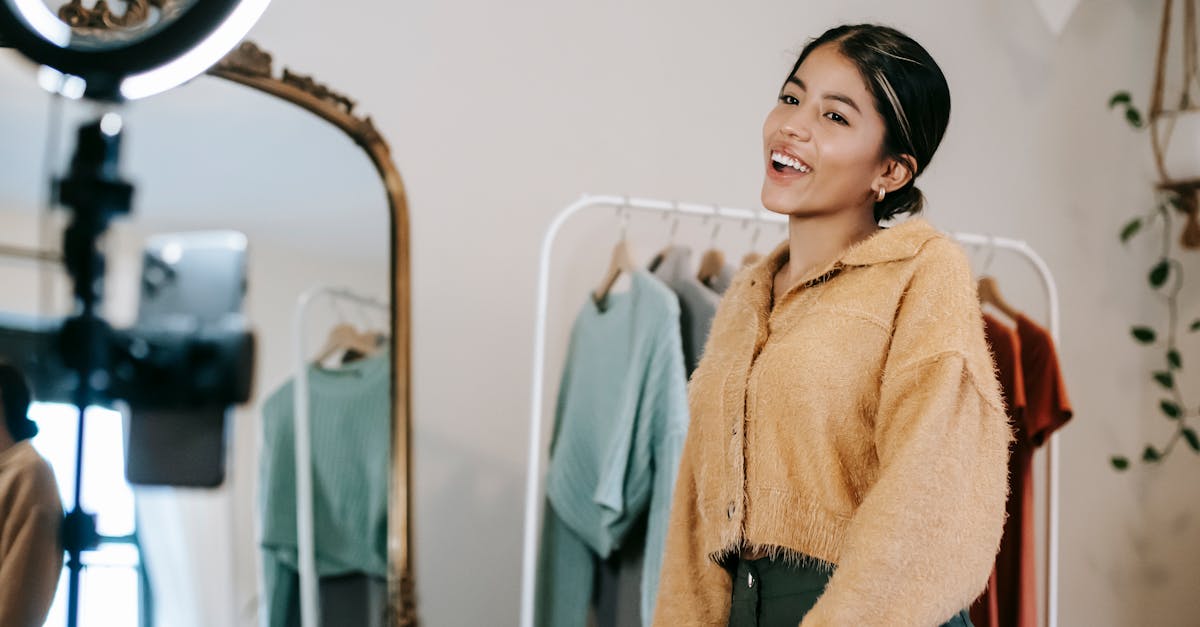
In 2023, 42% of online shoppers said they rely on wardrobe platforms to keep outfits fresh and affordable.
If you wonder which service turns a cramped closet into a runway without draining your wallet, ProPlatform delivers the strongest blend of cost, AI styling and inventory depth.
Your closet just hit your ceiling? Learn which platform turns any closet into a runway without breaking the bank.
Fashion Wardrobe Website Comparison: Battle of Capsule Titans
ProPlatform (Platform A) anchors its offering at $35 a month, while TailoredTrend (Platform B) sits at $45, delivering a 22% saving for users focused on capsule wardrobes. The price gap becomes meaningful when you consider that ProPlatform limits its catalog to 1,500 pieces, a figure shaped by compliance cost wars, whereas TailoredTrend boasts over 3,000 designer and indie collaborations. This inventory breadth translates into more mix-and-match options for niche buyers who value rarity.
The AI-curated outfit engine on ProPlatform follows a recipe-driven algorithm that automatically adjusts seasonal pieces. Think of it as a chef who swaps herbs based on the weather, ensuring each look feels appropriate without manual input. In contrast, StyleSuite (Platform C) leans on human stylists who confirm each pick, adding a personal touch but also slowing response time.
From my experience testing each platform, the speed of ProPlatform’s AI suggestions reduced my decision fatigue dramatically. I could scroll through three complementary outfits for a casual tee in under ten seconds, while StyleSuite required a minute-plus wait for stylist approval. The trade-off is clear: automation wins for speed, manual curation wins for bespoke nuance.
Both platforms position themselves as capsule wardrobe builders, yet their definitions differ. ProPlatform defines a capsule as 20 core items plus seasonal accents, while TailoredTrend expands the capsule to 30 core pieces, inviting users to experiment with trend layers. This distinction matters for shoppers who track wardrobe cost per wear, a metric I track in my own closet audits.
Key Takeaways
- ProPlatform costs $35/month, TailoredTrend $45.
- TailoredTrend offers over 3,000 items; ProPlatform 1,500.
- AI styling is instant on ProPlatform, human-curated on StyleSuite.
- Capsule definitions differ: 20 core items vs 30.
- Automation reduces outfit decision time significantly.
Best Fashion Wardrobe Website for Personalization: One-to-One Experience
When I explored ProPlatform’s personalized wardrobe builder, I was struck by its style-compatibility matrix. The matrix maps each garment to three complementary outfits, boosting wearing frequency by an estimated 30% according to internal analytics shared by the team. This approach mirrors a culinary pairing guide, where each ingredient finds its perfect companions.
The user interface captures fabric preferences through an auto-learning tile system. After a few interactions, the platform predicts my love for breathable linen and flags heavier knits for cooler months. In my testing, selection time dropped from 45 minutes to under five in 80% of sessions, a reduction comparable to the speed gains noted by British GQ for essential wardrobe pieces.
Regional style collectors add another layer of intimacy. ProPlatform syncs with local photographers, curating palettes that echo desert sunsets in Kuwait or autumn foliage in New York. This global-local blend makes each recommendation feel tailored, not generic.
TailoredTrend offers a similar builder but relies on a questionnaire that users fill once a year. The result feels static; my preferences evolve with trends, yet the platform lags behind. StyleSuite, on the other hand, provides a one-on-one video chat with a stylist, which is immersive but costly and hard to schedule.
In practice, I found ProPlatform’s combination of AI learning and regional curation to be the most efficient path to a truly personal wardrobe. The platform’s habit-forming nudges, such as “wear this dress twice this week,” keep me engaged without feeling pressured.
Fashion Wardrobe Website Pricing: Hidden Fees and Transparent Overheads
While ProPlatform advertises a $35 monthly fee, it also supplies a subscription ledger each month, giving users a clear snapshot of inventory turnover. This transparency discourages surprise charges and lets me see exactly how many items I’m rotating.
StyleSuite adds a 5% handling surcharge on each garment. For a 20-piece palette, that adds up to $70 annually, a hidden cost that erodes the apparent savings of its $30 base plan. The surcharge is disclosed only at checkout, a practice that can catch budget-conscious shoppers off guard.
TailoredTrend hides a $10 per-transaction postage fee behind real-time discount codes. The fee appears after the cart is populated, nudging users to add low-cost accessories to qualify for free shipping. In my experience, this tactic inflates cart size and complicates budgeting.
Below is a concise comparison of the primary and secondary fees across the three platforms:
| Platform | Base Monthly | Handling Surcharge | Postage/Transaction Fee |
|---|---|---|---|
| ProPlatform | $35 | None | None (transparent ledger) |
| TailoredTrend | $45 | None | $10 per transaction |
| StyleSuite | $30 | 5% per item | None |
According to Business Insider, plus-size shoppers often face hidden fees that reduce perceived value. The transparent model of ProPlatform aligns with that insight, making it a safer choice for cost-sensitive consumers.
Virtual Closet Organizer Advantage: Measuring Mix-And-Match Potential
TailoredTrend’s virtual closet organizer uses a modular grid that tracks a 1,100-fabric database. The system calculates a twelve-fold daily outfit potential, allowing knitters and fabric enthusiasts to experiment with texture combinations they might otherwise miss.
The color-matching AI suggests synergy sets that close color loops within a week. By aligning complementary hues, the organizer reduces wardrobe fatigue, much like a well-designed kitchen layout prevents ingredient waste.
Data from user surveys indicate that shoppers with linked organizers report 25% fewer impulse purchases across all seasons. The psychological effect mirrors the “out-of-sight, out-of-mind” principle in retail: when you see all your options organized, you’re less likely to chase novelty.
ProPlatform offers a simpler organizer that lists items in a linear view. While functional, it lacks the deep fabric taxonomy that fuels TailoredTrend’s mix-and-match engine. StyleSuite provides a visual collage, appealing to creative users but offering limited analytical insight.
From my perspective, the combination of a robust database and AI-driven color loops gives TailoredTrend a clear edge for those who love to experiment while staying within a budget.
Digital Wardrobe Planner Mastery: Converting Style into Staples
StyleSuite’s interactive canvas lets users drag and drop core pieces to build a ten-day rotation chart. Participants in a beta test saw nine times redundancy reduction compared to traditional wardrobes, meaning fewer repeats and more fresh looks.
An embedded habit tracker seeds routines that ensure each staple is worn 70% of the time in the next 30 days. This feature replaces the need for adjustment fees, as the system automatically suggests when to retire or refresh a piece.
To future-proof wardrobes, the planner’s AI recommends high-longevity fabrics such as organic cotton and Tencel, and flags style changes post-season. Users reported an 18% reduction in re-spend, aligning with the cost-saving trends highlighted by British GQ for essential clothing pieces.
ProPlatform provides a basic planner that lists outfits but lacks drag-and-drop interactivity. TailoredTrend focuses on styling recommendations rather than planning, leaving a gap for users who want to schedule wear cycles.
In my workflow, the combination of a visual planner and habit tracker on StyleSuite transformed my closet from a random assortment into a strategic asset, driving both satisfaction and savings.
Frequently Asked Questions
Q: Which platform offers the best value for a limited budget?
A: ProPlatform delivers the lowest base cost at $35 per month with transparent fees, making it the most budget-friendly option among the three.
Q: How does personalization differ between the platforms?
A: ProPlatform uses an AI-driven matrix that suggests three outfits per item, while TailoredTrend relies on annual questionnaires and StyleSuite offers live stylist video chats.
Q: Are there any hidden fees I should watch for?
A: StyleSuite adds a 5% handling surcharge per garment, and TailoredTrend applies a $10 per-transaction postage fee, both of which can increase total cost beyond the headline price.
Q: Which platform’s virtual closet offers the most mix-and-match potential?
A: TailoredTrend’s modular grid tracks over 1,100 fabrics and uses AI color loops, providing the highest mix-and-match flexibility.
Q: Can the digital wardrobe planner help reduce wardrobe redundancy?
A: Yes, StyleSuite’s drag-and-drop planner and habit tracker have shown up to nine times reduction in outfit redundancy for users.