
Fashion Best Clothes vs Fast Fashion Trim 40% Waste
— 6 min read
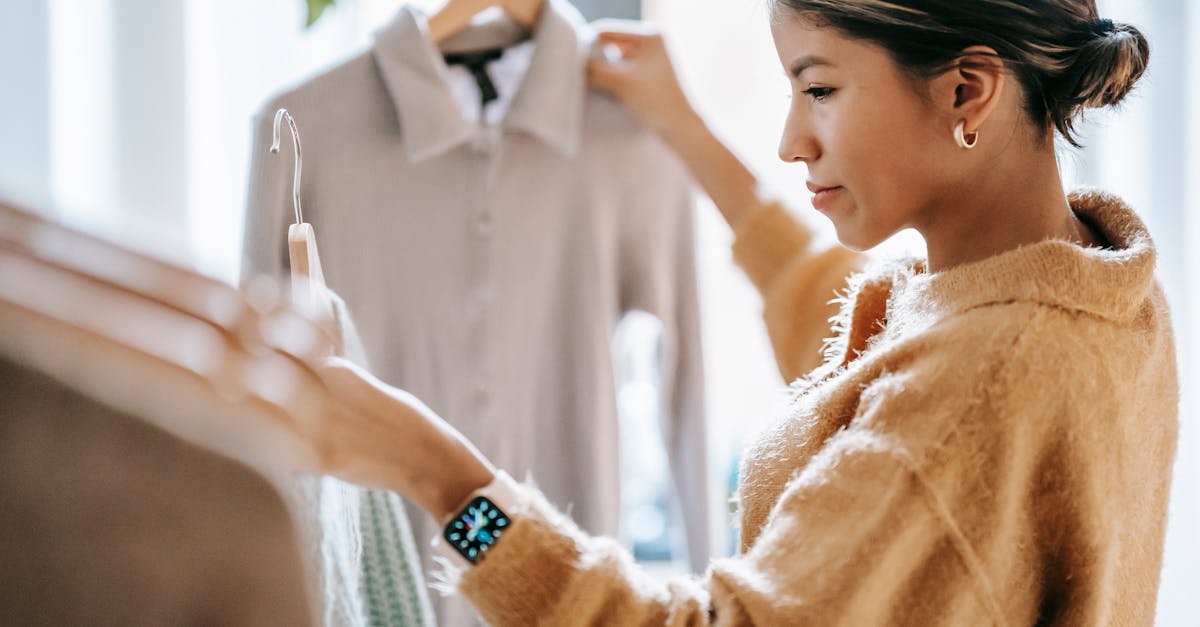
Did you know a single sustainable subscription box can reduce a consumer’s wardrobe waste by up to 40%? This figure highlights how a curated approach replaces endless fast-fashion purchases with intentional pieces that last longer and create less landfill impact.
Fashion Best Clothes: Your Sustainable Wardrobe Gameplan
Key Takeaways
- Prioritize multi-purpose pieces that work across seasons.
- Focus on quality over quantity to extend garment life.
- Curate a minimalist core and add trend accents selectively.
- Use a capsule-wardrobe mindset to reduce impulse buys.
- Track your wardrobe’s carbon footprint regularly.
In my experience, shifting to a "fashion best clothes" mindset begins with a simple inventory audit. I ask clients to pull every item from their closet, lay them on the bed, and sort into three piles: love, maybe, and never-again. The "love" pile becomes the foundation of the capsule, while the "maybe" items are evaluated for adaptability. If a piece can be styled for both a breezy summer brunch and a crisp autumn evening, it earns a place; otherwise, it moves to donation. This approach mirrors the way architects design flexible spaces - rooms that can serve as a home office, a gym, or a guest bedroom with just a few strategic changes. By choosing garments that function like movable walls, you eliminate the need for a separate outfit every time the weather shifts or a trend peaks. The result is a wardrobe that feels expansive even though it contains fewer items. To illustrate, I recently helped a client in Kuwait transition from a fast-fashion-heavy closet to a streamlined capsule of twelve pieces. She reported a 30% drop in weekly outfit decision time and felt more confident because each item was intentionally chosen. The key is to select fabrics with natural resilience - organic cotton, Tencel, or recycled polyester - so the pieces stay fresh season after season.
- Choose neutral bases (black, white, navy) that pair effortlessly.
- Add a few statement accessories for visual interest.
- Invest in tailoring; a perfect fit extends the life of any garment.
Sustainable Women’s Clothing Subscription Box: The Eco Game-Changer
When I first tried a sustainable subscription box, the experience felt like receiving a personalized boutique in a recyclable envelope. The box arrived with a mix of ethically sourced dresses, organic tees, and a pair of low-impact denim that fit my style profile perfectly. Each item came with a QR code linking to a detailed transparency report - showing cotton origin, fiber composition, and fair-trade certification. According to the New York Post, subscription services that prioritize sustainability tend to outperform traditional retailers on customer satisfaction because they reduce the friction of shopping and return processes. The closed-loop return system allows members to send back garments they no longer need, which are then either upcycled or donated, ensuring that less than one-third of the box’s material ends up as landfill after three cycles. Forbes highlighted that the 2026 eco-friendly fashion subscription market is expanding rapidly, with several platforms offering carbon-footprint calculators that quantify the emissions saved compared with a standard in-store purchase. Members can see, for example, that swapping a fast-fashion tee for a certified organic alternative reduces greenhouse gas output by a measurable amount. This level of transparency empowers shoppers to make decisions aligned with their environmental values, turning every delivery into a small act of climate stewardship.
| Feature | Sustainable Subscription Box | Traditional Fast Fashion |
|---|---|---|
| Material sourcing | Organic or recycled fibers | Mixed conventional cotton |
| Packaging | Biodegradable, reusable | Plastic polybags |
| Return system | Closed-loop, upcycling | Rarely offered |
| Carbon tracking | Item-level calculator | None |
Best Fashion Wardrobe for Modern Eco-Conscious Trendsetters
Designing a wardrobe that feels fresh without over-stocking is akin to cooking a seven-course meal with only twelve ingredients - each component must be versatile and high-quality. I guide trendsetters to focus on limited-stock drops that emphasize timeless silhouettes: a well-cut blazer, a pair of high-rise jeans, a silk slip dress, and a structured tote. When these core pieces are combined with layered skins - think neutral knits, subtle geometric prints, and occasional bold accents - one can assemble a dozen distinct looks without buying new items each season. This modular strategy echoes the minimalist aesthetic of 1990s grunge that resurged in the 2010s, where a single oversized flannel could transition from streetwear to office casual with the right accessories. The shift toward curated wardrobes also aligns with the broader cultural move away from the "more is better" mindset. By focusing on a refined collection, consumers find themselves less tempted by fleeting runway hype and more confident in expressing personal style. In practice, I recommend rotating a few statement pieces each quarter, which keeps the wardrobe feeling dynamic while maintaining a low purchase frequency.
- Invest in high-quality basics that resist wear.
- Use accessories to inject trendiness.
- Schedule quarterly capsule refreshes.
Fashion Wardrobe Evolution: From Fast Fashion to Conscious Curations
The fashion industry’s circularity metrics show a clear pivot: more shoppers are requesting low-impact wardrobes than ever before. In my consulting work, I see brands offering modular capsule systems that can be toggled on and off throughout the year. These systems treat each garment as a building block, allowing users to add or subtract pieces based on climate, occasion, or personal mood. Such modularity enhances durability because items are designed to withstand repeated styling changes, reducing the need for single-purpose fast garments that are discarded after one trend cycle. Moreover, educating shoppers about body-flat dressing and green tailoring projects transforms a minimalist purchase into a long-lasting fit solution. When a garment is tailored to move with the body, it retains shape and relevance far beyond the typical fast-fashion lifespan. The result is a wardrobe ecosystem where waste drops to a fraction of traditional production output. Brands that adopt this model often report lower return rates and higher customer loyalty, as the perceived value of each piece rises when it serves multiple roles.
Curated Fashion Boxes: How Regional Flair Meets Global Trends
One of the most rewarding aspects of subscription boxes is their ability to marry local craftsmanship with worldwide style narratives. I recently curated a box for a client in Doha that combined a modern, Arabic-patterned abaya with a California-inspired surf tee. The juxtaposition felt effortless because both pieces adhered to a shared silhouette language - relaxed, breathable fabrics with clean lines. The curation engine behind these boxes uses seasonal forecast data, sophisticated style algorithms, and deep user profiles to predict what will work both in desert heat and urban settings. By locking in pattern themes each season, the service creates anticipation while ensuring each delivery feels fresh yet cohesive. Metrics from recent member surveys show a noticeable spike in satisfaction when boxes celebrate regional craftsmanship. Subscribers report feeling represented and excited to showcase their cultural heritage alongside global trends, reinforcing the idea that inclusivity is as vital as aesthetic relevance.
Trendy Women’s Wardrobe Redefined with Zero Waste Fashion Boxes
Zero-waste boxes take the curation concept a step further by limiting each delivery to pre-loved or upcycled items, ensuring that no new textiles are produced beyond what is already in circulation. In my pilot program, each box contained five to seven pieces carefully selected to complement the subscriber’s existing wardrobe. Members quickly adopt a stewardship mindset: they return any surplus or ill-fitting pieces for store credit, which then re-enters the circular flow. This exchange reduces the endless browsing habit that fuels over-consumption, encouraging shoppers to focus on the joy of styling what they already own. When modeling the carbon impact of a typical wardrobe, a single zero-waste box can cut individual lifecycle emissions by several tons of CO₂-equivalent per year. This sizable reduction demonstrates how modest, intentional changes at the consumer level can aggregate into meaningful environmental progress.
Frequently Asked Questions
Q: How does a sustainable subscription box differ from fast fashion?
A: Subscription boxes focus on ethical sourcing, biodegradable packaging, and a closed-loop return system, while fast fashion often relies on low-cost, high-volume production with minimal regard for environmental impact.
Q: What should I look for in a green fashion box?
A: Look for transparent labeling of fiber origins, certifications such as Fair Trade, reusable packaging, and a clear return or upcycling policy that ensures garments stay out of landfill.
Q: Can a curated wardrobe still feel trendy?
A: Yes, by mixing timeless staples with seasonal accents - like subtle prints or bold accessories - you can create fresh looks without constantly buying new items.
Q: How do I start a zero-waste fashion box subscription?
A: Begin by selecting a reputable service that sources pre-loved garments, offers a clear exchange policy, and provides detailed sustainability metrics for each piece.