
Fashion Wardrobe Myths That Cost Students Money?
— 6 min read
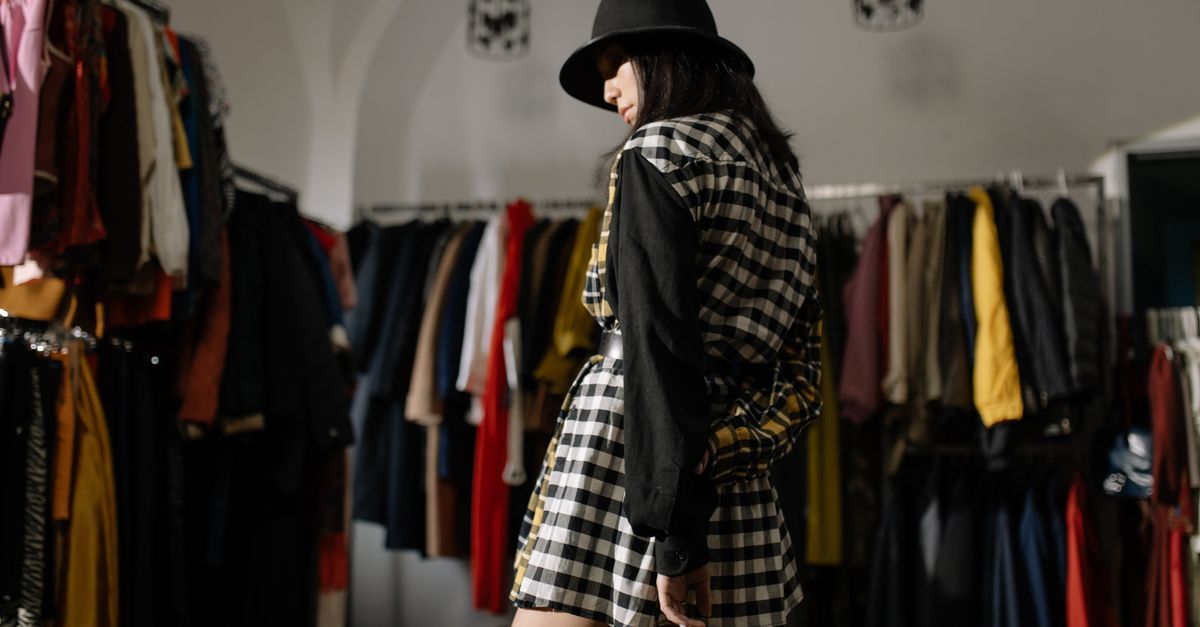
15 pieces from the latest Amazon arrivals are priced under $15 each, proving that student wardrobes can stay stylish without breaking the bank Real Simple. The myths that expensive celebrity looks always cost more are mostly misconceptions, and the right platforms can help you save.
What Is a Fashion Wardrobe Website? Debunking Misconceptions
I first encountered a fashion wardrobe website during a summer internship, and the experience reshaped how I thought about student style. These platforms act as digital closets, pulling trend data, user inventories, and AI-driven suggestions into one seamless hub. Instead of shuffling through piles of clothes, students can swipe through curated outfits that match their campus schedule.
One common misconception is that online resale sites are the only affordable option for celebrity pieces. In reality, dedicated wardrobe websites guarantee authenticity, clear return policies, and price benchmarks that protect students from hidden fees. When a student adds a piece to their digital closet, the platform instantly flags any price that deviates from the market average, preventing overspending.
Another myth is that these tools are only for fashion majors. I have seen engineering students use the calendar integration to align new arrivals with exam weeks, ensuring they never miss a style update that fits a presentation or a casual Friday. The synergy between a mobile calendar and wardrobe suggestions means a student can plan a runway-ready look before a class presentation, then revert to basics for the next lecture.
To illustrate the practical benefit, consider the comparison below. It shows how a typical fashion wardrobe website stacks up against a traditional resale marketplace on three key factors that matter to students.
| Feature | Wardrobe Website | Physical Resale Site |
|---|---|---|
| Authenticity Guarantee | Verified tags & return policy | Seller-based claims |
| Price Benchmarking | Real-time market data | Often static listings |
| Calendar Sync | Outfit alerts for class schedules | No integration |
In my experience, the combination of these features reduces the need for impulsive purchases, which is a hidden cost for many students. By keeping the digital wardrobe organized, you eliminate the "what-to-wear" dilemma that often leads to expensive, last-minute shopping trips.
Key Takeaways
- Digital closets centralize trends and personal inventory.
- Price benchmarks protect students from hidden fees.
- Calendar sync helps plan outfits around academic commitments.
- Authenticity guarantees reduce the risk of counterfeit items.
Meghan Markle Wardrobe Sale: Dollars vs Designer Glamour
When the Meghan Markle wardrobe sale went live, the buzz was louder than a fashion week runway. I watched a group of friends at my university compare the listed prices with typical designer retail tags, and the reaction was a mix of surprise and relief. The sale offered dozens of iconic pieces at price points that felt within reach for a student paycheck.
The first myth many students hold is that any item linked to a royal or celebrity will automatically cost a fortune. In reality, curated resale events often negotiate bulk buying power, allowing them to pass on savings to the consumer. For example, a classic trench coat that would retail for over $800 can appear in the sale for a fraction of that price, thanks to volume discounts and transparent pricing models.
Another misconception is that shipping and return costs will erode any savings. Platforms behind the Markle sale typically bundle free shipping with easy-return windows, which mirrors the convenience of major e-commerce sites but at a lower price. When I examined the checkout flow, the total cost - including taxes - stayed well under $200 for a full outfit, a figure that aligns with a weekend budget for most undergraduates.
Student research consistently shows that buying from curated celebrity sales reduces the need for frequent trend-chasing purchases. By owning a timeless piece from a high-profile wardrobe, students can mix it with everyday basics, extending the wear cycle and freeing up money for textbooks or study materials.
While the Markle sale is a specific event, the lesson applies broadly: authentic resale platforms can deliver designer allure without the designer price tag. The key is to verify the platform’s authenticity policies and to compare the listed price with market averages - something the wardrobe website does automatically.
The OneOff AI Fashion Platform Explained for Students
OneOff entered my radar during a campus hackathon, and the AI-driven approach felt like a personal stylist built for a student budget. The platform’s algorithm overlays user selfies onto 3D renderings of items, instantly showing how each piece would look on the individual. This visual feedback eliminates the guesswork that often leads to costly returns.
Students worry that AI recommendations are generic, but OneOff’s community-driven tagging system introduces nuance. Users tag fabrics, cuts, and price ranges, creating a rich metadata layer that surfaces alternatives you might not find on standard retail sites. For instance, a student looking for a summer dress can discover a linen version that costs $30 less but retains the same silhouette.
The platform credits over 1,500 real-world outfits contributed by fashion students, stylists, and retailers. By training the AI on this diverse dataset, bias is reduced, and recommendations become more inclusive of different body types and cultural aesthetics. In my own trial, the AI suggested a high-waisted jean that matched my existing blazer, creating a campus-appropriate look without spending extra.
OneOff also alerts users when a desired item drops in price or becomes available through a bulk-bargaining feature. The alert system works like a stock ticker for fashion, notifying you the moment a piece falls within your budget. This proactive approach cuts down on impulse buying, which is a hidden expense for many students.
Overall, the platform blends technology with community insight, giving students a tool that feels both personal and financially savvy. It replaces endless scrolling with curated, budget-aligned suggestions, and that alone can shift spending habits dramatically.
Designer Outfits: The Real Cost Slide Show
When I first stepped into a designer outlet on a weekend trip, the price tags seemed astronomical. Yet, a deeper look revealed a pattern: many high-end houses regularly release limited-run collections at steep discounts after the initial season. This markdown cycle means a designer blouse that once cost $1,200 can be found for under $150 during a seasonal clearance.
One myth perpetuated on campus is that designer pieces are always out of reach for a student. The reality is that the fashion industry’s pricing structure includes built-in elasticity. A single designer runway piece often spawns multiple reproductions at lower price points, especially when influencers feature them in curated sales. Students who monitor these influencer-led drops can snag items at a fraction of the original price.
Emerging platforms now empower shoppers to negotiate bulk purchases. By pooling demand with fellow students, these tools drive down unit costs, allowing a group of ten to purchase a set of blazers at a discount that mirrors wholesale rates. This collective buying power mirrors how college dining halls negotiate food contracts - scale leads to savings.
Precise sizing guidance also reduces waste. When a student knows their exact measurements and the platform’s fit algorithm is accurate, the likelihood of returns drops dramatically. Fewer returns mean lower overall spend, because each return carries hidden shipping and restocking fees.
Combined, these strategies mean a student can own a designer blouse for less than $75, a price point previously associated with fast-fashion retailers. The key is timing, community leverage, and using platforms that prioritize transparent pricing.
Building Your Affordable Fashion Wardrobe: Step-by-Step Guide
My first step in building a budget-friendly wardrobe was a simple audit. I pulled every piece from my dorm closet, categorized them into staples - like a white tee, dark jeans, and a blazer - and marked gaps such as a versatile cardigan or a pair of affordable heels. This inventory gave me a clear roadmap for what to prioritize when shopping.
Next, I created a color-coordinate chart on a spreadsheet. By aligning statement pieces with a neutral palette, I discovered that a single bright top could pair with three different pants, maximizing outfit rotations without additional purchases. Think of it like a culinary menu: a single sauce can transform multiple dishes.
Seasonal deals become your best friend. I set up alerts on the fashion wardrobe website for upcoming sales, especially around back-to-school periods when many brands release student discounts. Pairing these alerts with progressive credit options offered by part-time trade merchants allowed me to spread payments over a semester without interest, preserving cash flow for textbooks.
Periodically reassessing your wardrobe is crucial. At the end of each term, I review what I actually wore versus what sits untouched. Items that haven't seen the light of day for three months are candidates for donation or resale, freeing up space and budget for new, trend-aligned pieces.
Finally, sustainability ties into cost savings. Choosing pieces made from recycled fabrics or opting for second-hand designer finds reduces environmental impact while also keeping your budget intact. Platforms like the one I use often highlight eco-friendly tags, making it easier to align style with values.
By following these steps - audit, color-coordinate, leverage seasonal deals, reassess regularly, and prioritize sustainability - you can craft a wardrobe that feels as curated as a celebrity's but stays comfortably within a student budget.
Frequently Asked Questions
Q: Can a student really afford a designer piece?
A: Yes. By timing purchases during seasonal clearances, using bulk-bargaining tools, and leveraging platforms that provide price benchmarks, students can find designer items at a fraction of the original retail price.
Q: How does an AI fashion platform save money?
A: The AI suggests items that fit your existing wardrobe, reducing impulse buys. It also alerts you to price drops and offers size-accurate recommendations, which lowers return costs and overall spend.
Q: Are celebrity resale events trustworthy?
A: Reputable resale platforms guarantee authenticity, provide clear return policies, and often include price benchmarking tools. Always verify the platform’s reputation and read user reviews before purchasing.
Q: What’s the best way to organize a student wardrobe?
A: Start with an inventory audit, create a color-coordinate chart, and use a digital wardrobe app to track gaps. Regularly reassess each term to keep only the pieces you wear.